
Breaking Down the Cost of Having a Baby
Having a child doesn’t come without financial costs. As a mom of three, I’ve made lots of financial mistakes but have learned many valuable lessons and tricks for saving money while still getting the best deals on things my children truly need.
Pregnancy Costs
Upon discovering you’re pregnant, the first financial concern is paying for medical care. Depending on your financial situation and income, you may qualify for assistance if you do not already have insurance. Visiting a local pregnancy center can connect you with resources and guidance on how to navigate this process, which can be a relief during the exciting—but sometimes overwhelming—news of a positive pregnancy test. Scroll to the bottom of this page to chat with someone or call our helpline if you need assistance finding a pregnancy center near you.
Another cost during pregnancy is clothing. As your belly grows, you may find that your pre-pregnancy clothes no longer fit comfortably. The good news is that most women don’t need different clothes until later in pregnancy. Maternity clothes can be quite expensive and are not always necessary. Personally, I found maternity jeans uncomfortable and opted for loose-fitting clothes I already owned. If you love your jeans but they don’t fit, you can use the hair-tie trick as a maternity extender. Check it out here, along with other tips for turning regular clothes into maternity wear: Click here
Costs in Preparing for Baby’s Arrival
With my first child, I prepared a full nursery complete with a theme, decorations, a changing table, a crib with matching bedding, bouncers, swings, and much more. Once he was born, I rarely used any of it. I don’t think I ever used the changing table—I preferred my lap or a bed instead. With my other children, preparation looked very different and focused more on practicality than aesthetics.
I made sure each baby had a safe place to sleep. A crib with a mattress and a fitted sheet is ideal. Crib bumper pads are not recommended, as they pose a suffocation risk, along with any other loose items inside the crib. Having a separate room for your baby is not necessary. In fact, studies show that babies who sleep in the same room as their mothers often fare better than those who do not.
Next, a car seat is essential. While I strongly support buying secondhand items, a car seat should always be purchased new. I reused my son’s car seat for my daughter because I knew it had not been in an accident and was not past its expiration date. If your children are close in age, this may be an option for you as well. If you cannot afford a car seat, check local programs in your area. Many offer free or reduced-price car seats. You can scroll to the bottom of this page to call or chat so we can help connect you with a pregnancy resource center near you.
Secondhand clothes and some baby gear are highly encouraged, especially during the first year. With my first child, I worked in retail and bought many brand-new baby clothes. Despite careful planning, he outgrew many items before ever wearing them. Since the clothes were already washed, returning them wasn’t an option. Many parents experience this, which is why so many secondhand baby clothes are barely worn or never worn at all. From working retail, I also learned to never buy children’s clothes at full price. Items often go on sale shortly after arriving in stores. Shopping sales and clearance racks can save you a significant amount of money.
Once Baby Arrives
Once your baby arrives, the primary concern becomes feeding. This generally comes down to three options: breastfeeding, formula feeding, or a combination of both. I’ve done all three, and breastfeeding is by far the least expensive option. Breastfeeding can feel intimidating at first due to the amount of information available. If you’re unsure whether you’re doing it correctly, many breastfeeding support groups are available through hospitals, local health centers, or pregnancy resource centers.
My experience breastfeeding my first child was very different from my experience with my other two. With my first, breastfeeding was challenging, and I stopped after four months. I tried pumping but struggled to produce enough milk, which was frustrating. Looking back, I believe the pump I chose wasn’t a good fit for me. Most insurance companies cover breast pumps, and many mothers are very successful using them.
Breastfeeding my other two children was a much better experience. I exclusively breastfed them, and both weaned themselves after age two. I never needed to use formula, which helped reduce costs. However, if formula feeding is necessary, there are programs available to help families who cannot afford formula.
After six months, babies are often ready for solid foods. Buying baby food can feel like another added expense, but it doesn’t have to be. With my first child, I followed a strict feeding plan and bought baby food that he didn’t always like. With my other two, I used the Baby-Led Weaning method, which involves feeding babies modified versions of the foods you already eat. You can learn more about this approach here: Click here
Lastly, many parents feel tempted to buy lots of toys. With my first child, we purchased many toys meant to stimulate learning. However, babies under one year don’t need many toys. Research shows that too many toys can actually be overstimulating. Just 15 toys can overwhelm a child—and babies need even fewer. More information about too many toys.
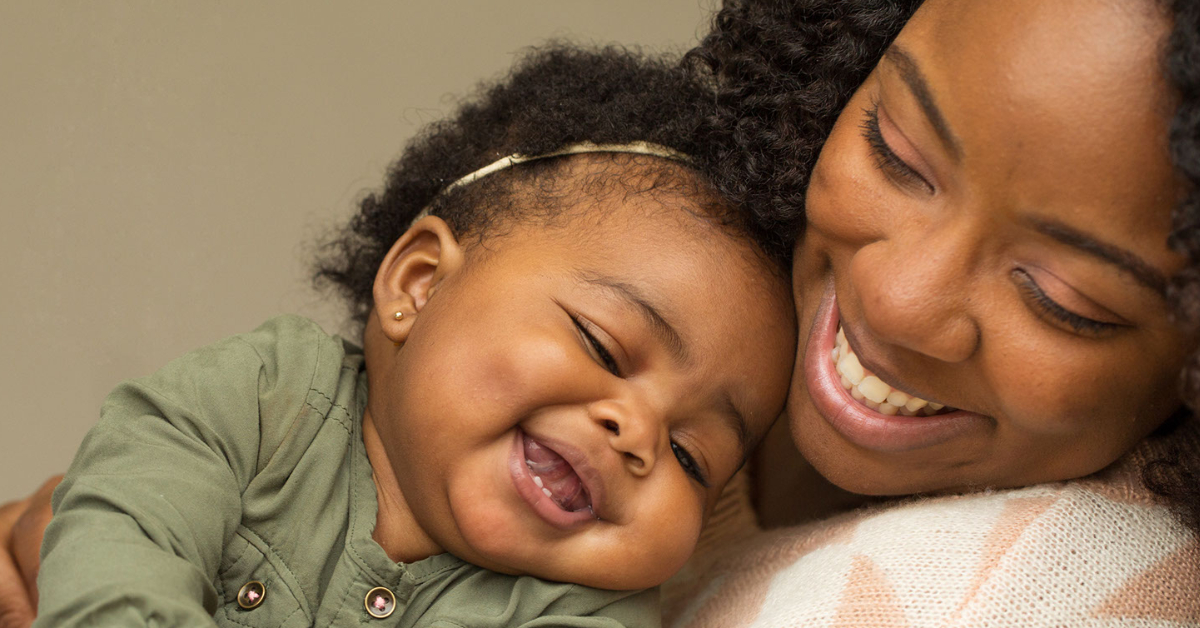
So what’s the best way to entertain your baby? You. You are your baby’s favorite person. They spent nine months listening to your heartbeat and your voice. There’s no place they’d rather be than in your arms. Simple ways to play include making silly faces, singing songs, and playing peek-a-boo. Looking for more ideas? Click here
Trying to be a perfect mother and creating a perfect environment is impossible. Focus on providing your child with the necessities, and the rest will fall into place.
“There’s no perfect way to be a mother, and a million ways to be a good one.”
— Jill Churchill